
Inside the work of a retoucher: Q&A with Krzysztof Gadomski, CEO of House of Retouching
#Insights
November 10, 2025

Krzysztof Gadomski, CEO of House of Retouching
Want to build a successful career in retouching? In this interview, Krzysztof Gadomski — CEO of House of Retouching — looks back on the early days of his career, from designing graphics in an advertising agency to running one of the most respected retouching studios in the industry. He talks about what truly matters in the work of a retoucher and the most common mistakes beginners should avoid when starting out in photo post-production.
How did your journey with retouching and post-production begin?
It all started with some “manga-style” business cards for an adult video rental shop, back when I was studying computer science at the Technical University of Szczecin. I was trying to get a job repairing computers — unsuccessfully — and then a friend randomly asked me to design business cards. That was literally the only thing I could do in terms of design, but it ended up changing my life.
In 1998, a friend from a congress office in Kraków offered me a job as a graphic designer. I went for the interview, got the job, and suddenly found myself working on Apple computers — which I barely knew but was told to “take care of.” By 1999, I had my first tablet, an A3 Summagraphics SummaSketch, and started drawing my first Bézier curves.
In 2000, I joined an advertising agency, which introduced me to DTP and basic retouching. That experience turned out to be an incredibly solid foundation for what came later.
We even had little competitions with colleagues — who could path a shopping cart the fastest or with the fewest anchor points. Those silly challenges kept us entertained during late-night sessions producing nationwide supermarket catalogs. And that’s really where my journey with color correction and retouching began — at the most primitive, almost “caveman” level, using filters like Dust & Scratches.
That’s also where I met Tomek — a photographer who later became the co-founder of House of Retouching. He shot the images, and I retouched them on my Mac.
What inspired you to start House of Retouching?
By 2004, I was working at a much larger advertising agency in Kraków. One of the conditions for taking the job was that I’d get a Wacom tablet — I couldn’t imagine working without one anymore, even though they were still rare among designers.
Then Tomek, whom I hadn’t spoken to in two years, reached out. He had just returned from the U.S. and told me that being a “retoucher” was an actual profession. I had never heard of it before and could hardly believe it. But the more we explored the topic, the more I realized how unique and exciting it was. In 2006, we officially founded House of Retouching.
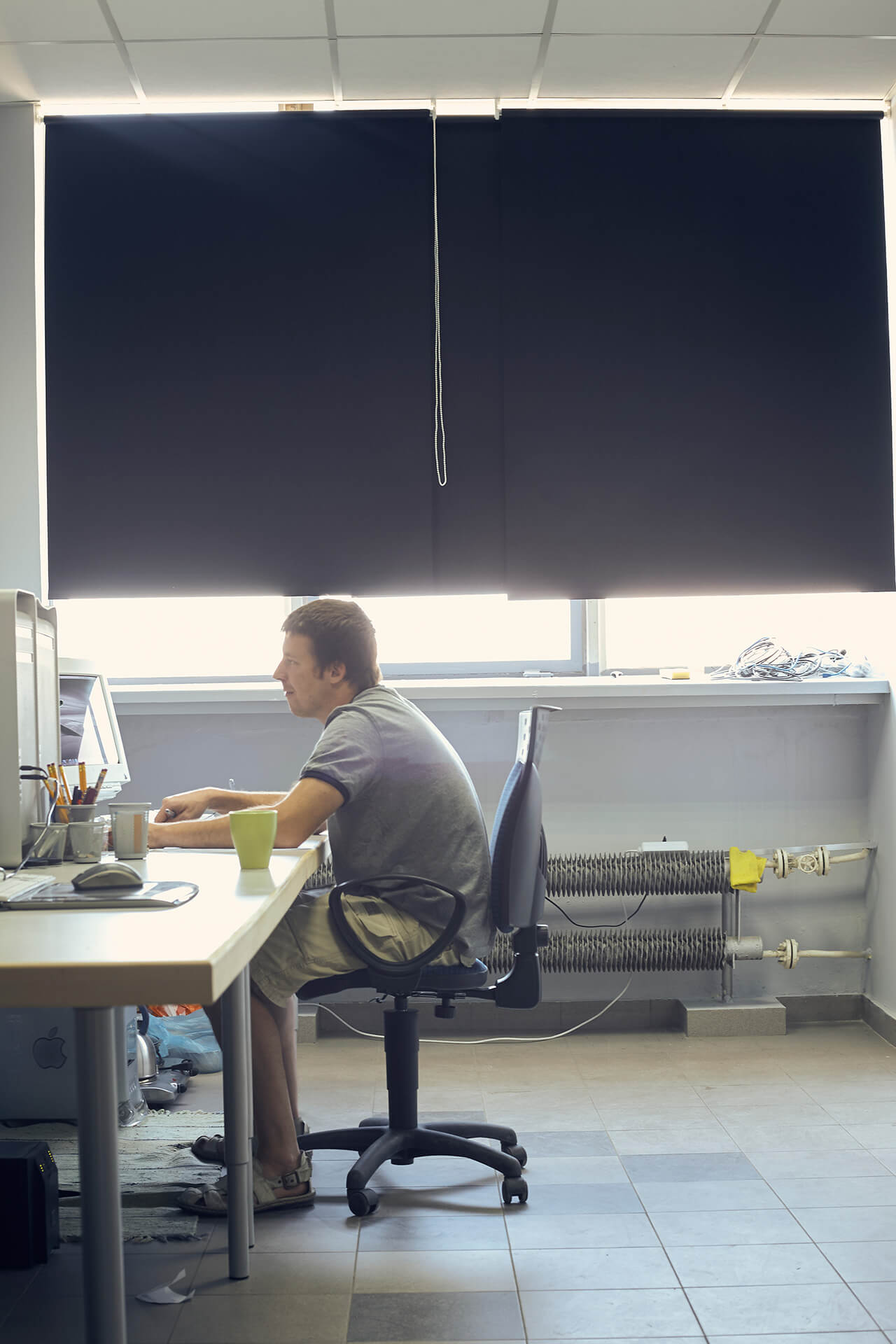
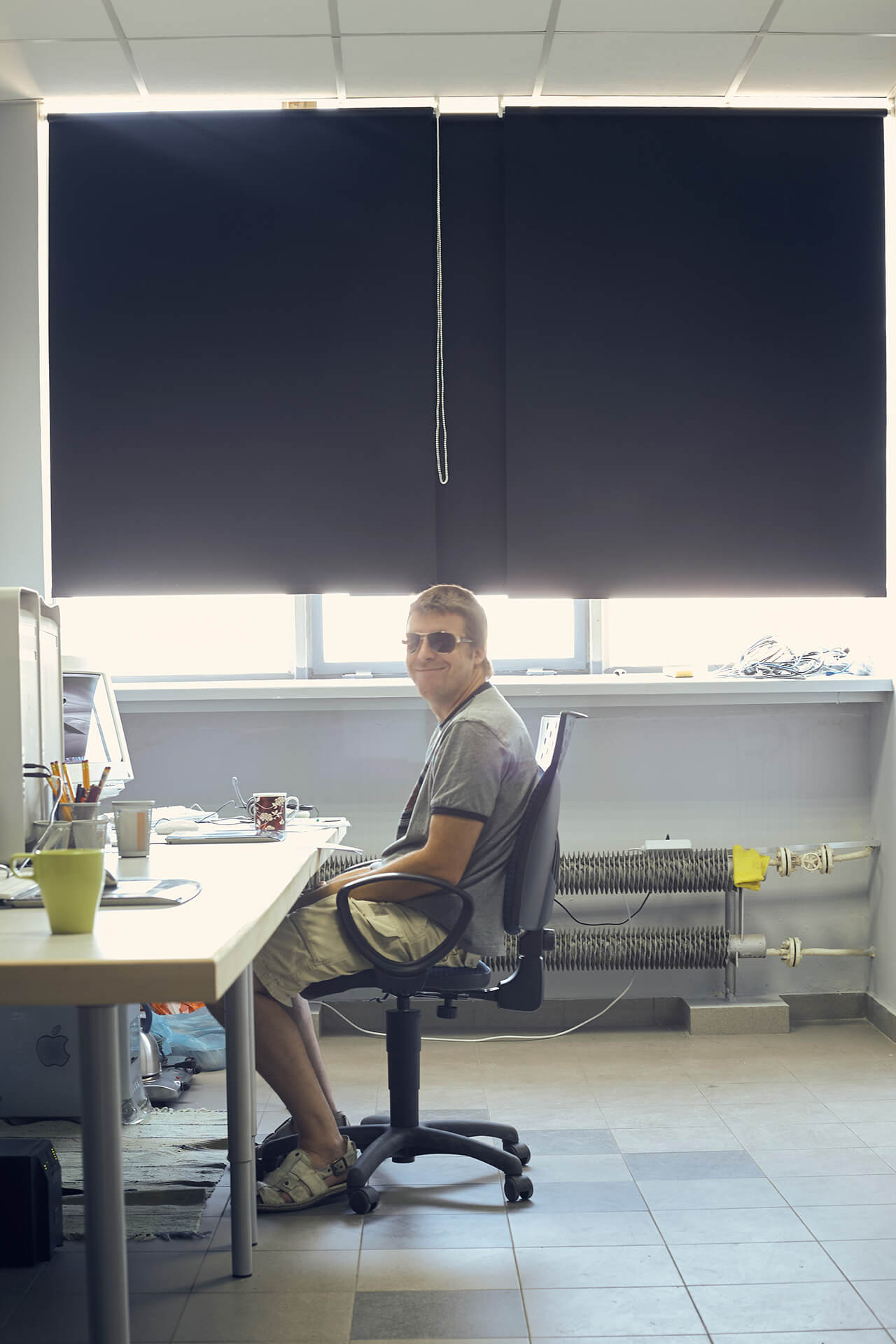
Krzysztof Gadomski in the first House of Retouching studio in 2008.
What were the biggest challenges at the beginning of your career?
The main challenge was that I didn’t have any photography background. I wasn’t really involved in photography at all, and I wouldn’t call what I did in advertising agencies “photography” in any serious sense.
Learning to truly see and understand an image — to figure out what the photographer felt when pressing the shutter and how to recreate that in post — was the hardest part. My early attempts were all about analyzing the picture: What works? What doesn’t? What distracts me? What could I add or remove to strengthen the message? Only after that came the actual retouching.
Even though I already knew Photoshop well, I initially tried to learn from YouTube tutorials. I quickly gave up. It felt like working blindfolded — sometimes the effect was nice, sometimes not, and repeating it on another image was nearly impossible. I also abandoned complicated tricks early on because they only worked “once in a while,” and consistency is everything.
For two years, we developed our own method and philosophy of working with images. From the beginning, I preferred “perfecting two Porsches a year” to “pumping out a hundred Fiats.” Maybe not the best business approach, but it came from passion. Honestly, if we had gone the “Fiat route,” House of Retouching probably wouldn’t exist today. Without a unique, recognizable style, you’re easily replaceable.
What have been House of Retouching’s biggest successes?
The biggest publicity moment was definitely the official portraits of the British royal family for the christening of Prince George, the first child of Prince William and Kate Middleton. We had already worked with celebrities before, but nothing gained attention quite like that.
We were under enormous time pressure — the images arrived late in the afternoon and had to be ready by 5 a.m. Photographer Jason Bell was understandably stressed, and that transferred to us. Everything was highly confidential — I even cut off our internet connection for safety. Retouchers are often treated like a secret weapon: you don’t reveal who they are. So while it was big news in Poland, our names didn’t appear anywhere else.
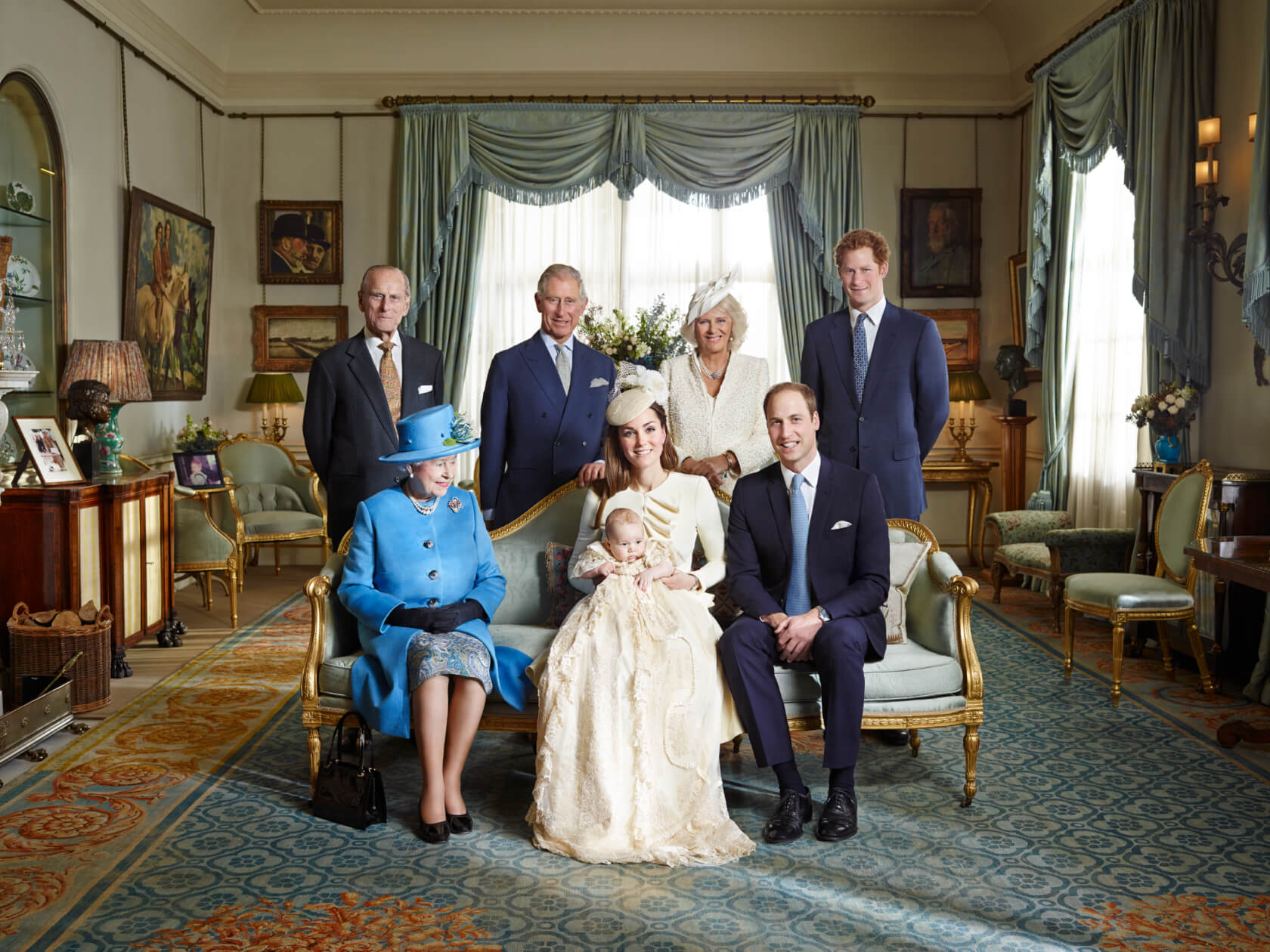
The British Royal Family, Prince George’s Christening. Photographer: Jason Bell
It’s hard to choose favorites among thousands of images, but the most memorable ones are usually the most technically demanding. One of the first major challenges was a Reebok campaign where athletes shot in the studio had to be placed in iconic locations like Tiananmen Square, the Great Wall of China, or the subway.
Another tough project was for the fashion brand RageAge, where I had to build a wide catamaran from multiple shots of rough sea — that took about two days.
Of course, everything still has to look like a photo, not an illustration — attention to detail is crucial. My personal favorites are probably the posters we created for the Royal Opera House and the English National Ballet — all beautiful in their own way. The Avengers campaign, with insanely good 3D assets, and the OUT100 portraits also stay with me.
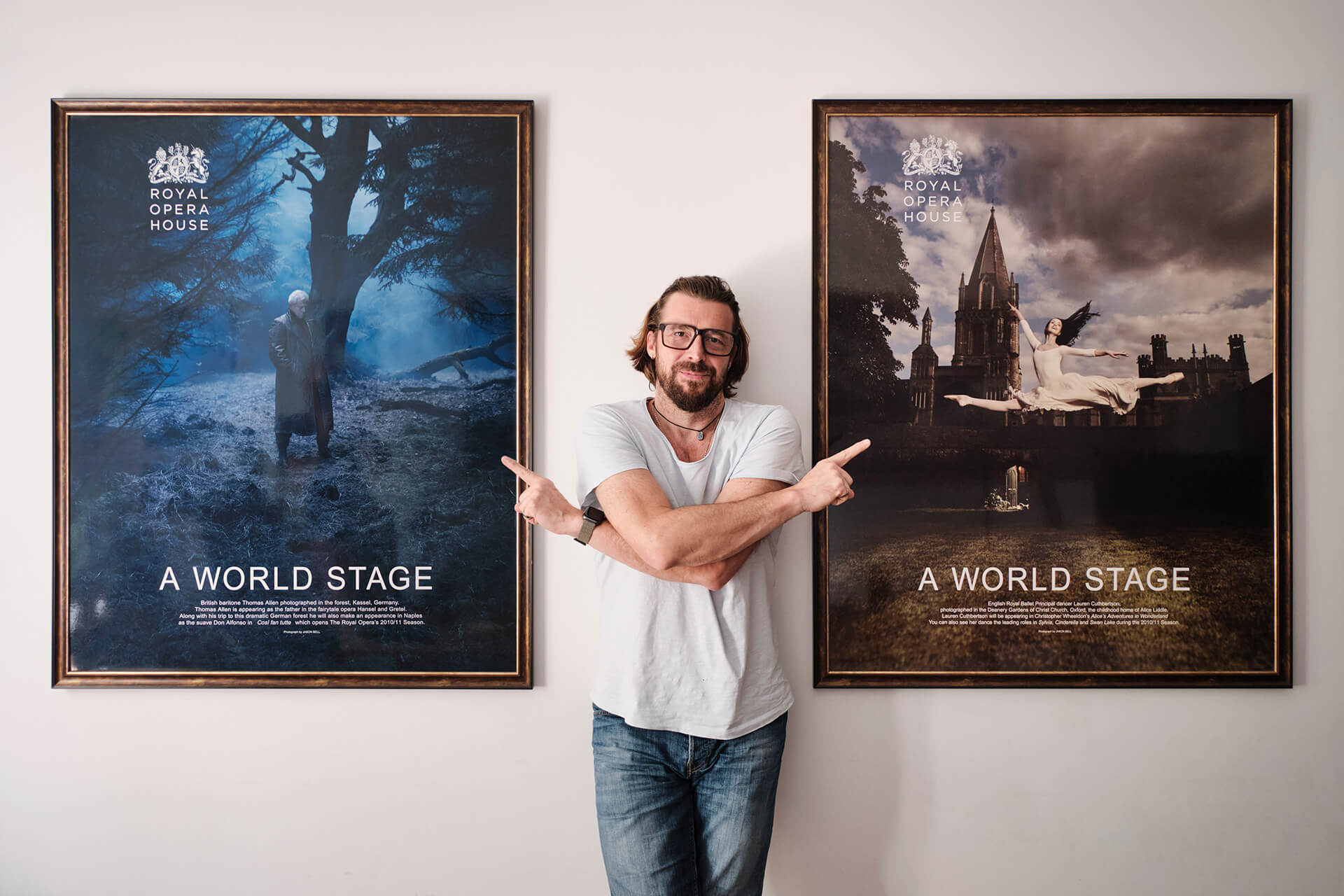
Posters for Royal Opera House. Photographer: Jason Bell
What makes House of Retouching stand out from other retouching studios?
To be honest, maybe it’s a flaw, but I rarely look at what others are doing. I focus on where I want to go, how our work should look, and what it should communicate.
The final look always depends on the client — whether it’s an ad agency, art director, photographer, or production house. Our role is to advise, suggest solutions, and help solve problems, but ultimately deliver clean, consistent, aesthetically refined images.
I know many freelance retouchers, but I don’t know many studios like ours. Comparing freelancers to a full retouching studio isn’t fair — the scale, capacity, and workflow are simply different. We can handle large, complex projects quickly and cohesively.
Some people love our style; others don’t — that’s subjective. But our portfolio shows clearly who trusted us and what high-profile projects have come out of our studio.
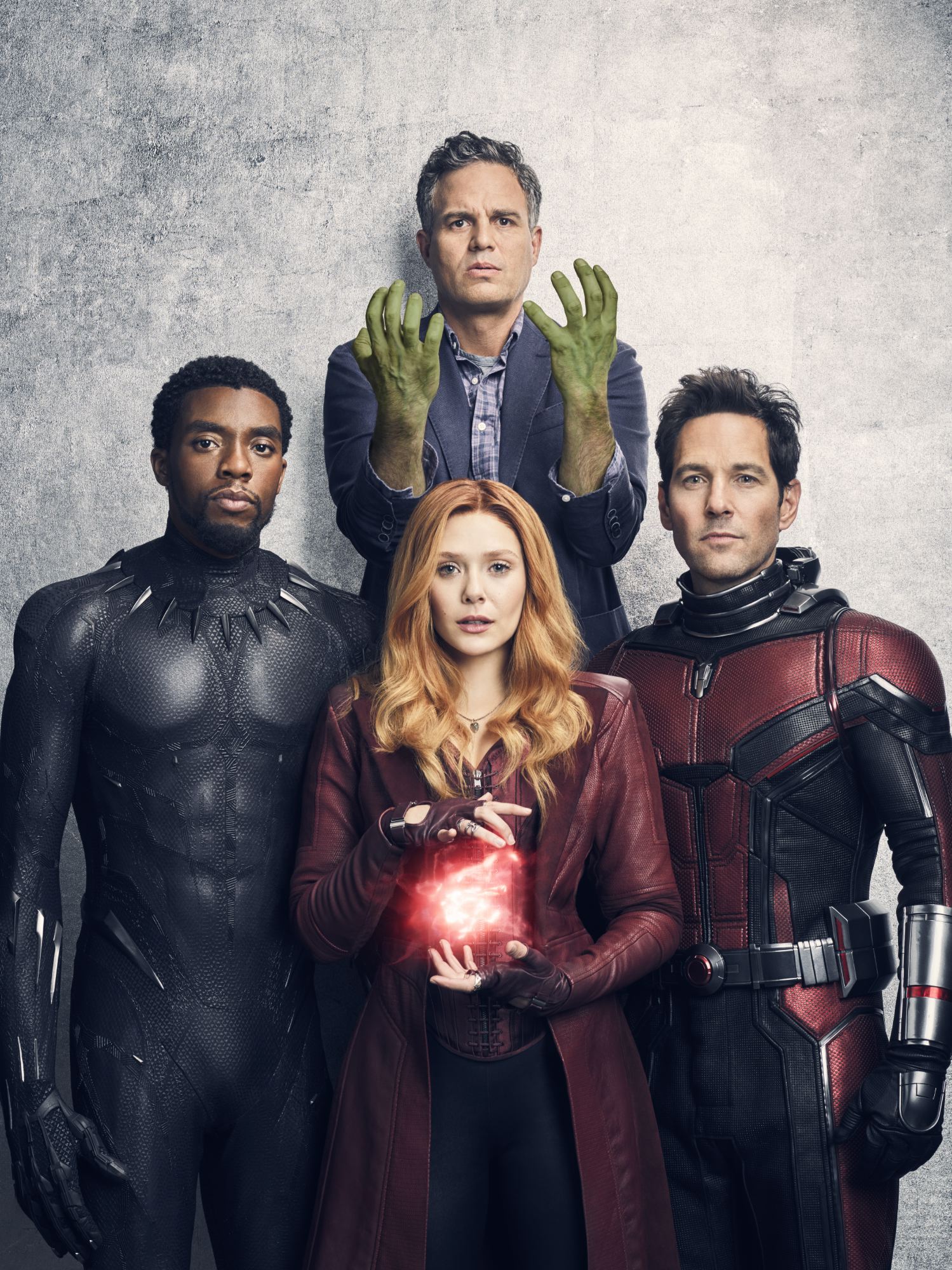
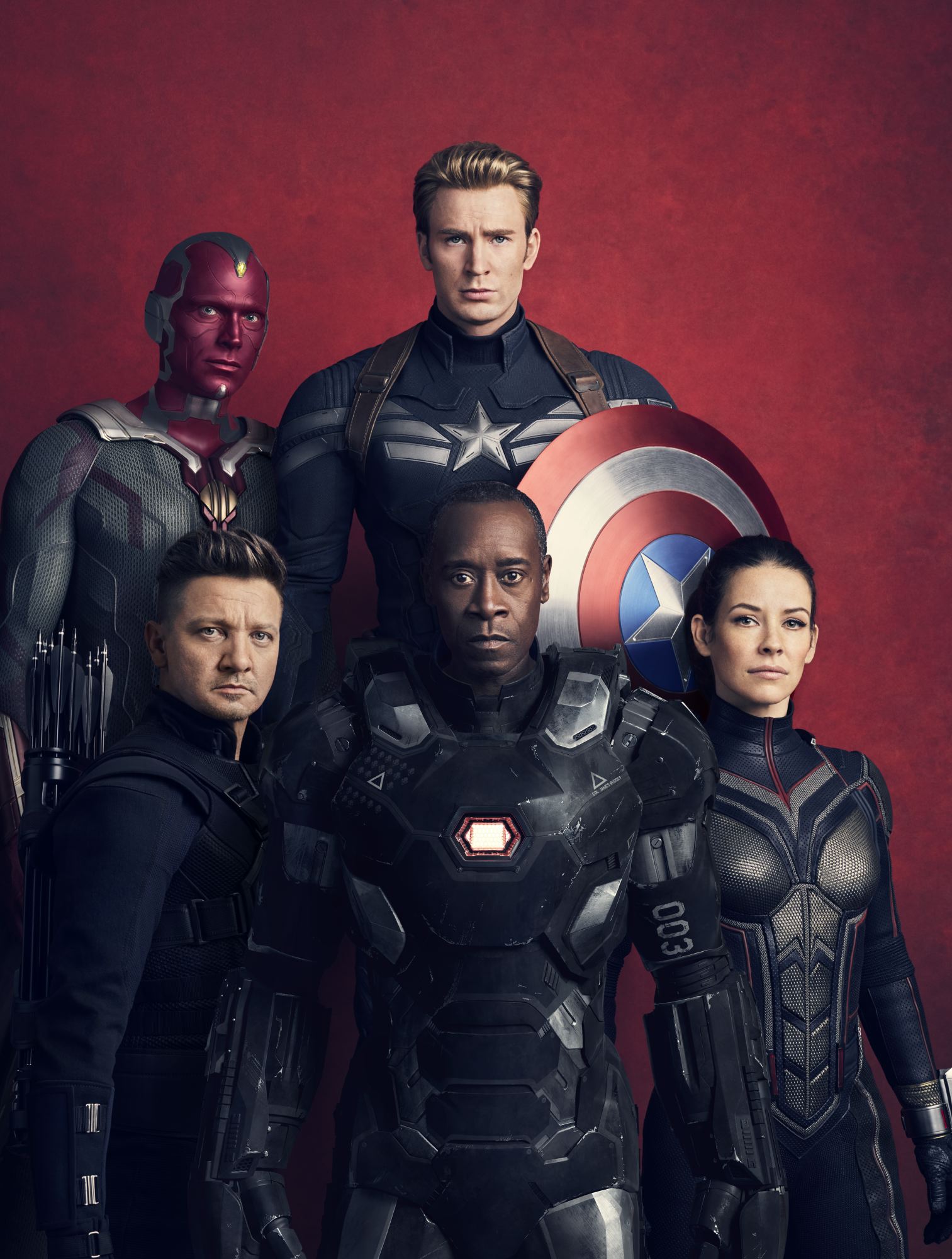
Avengers for Vanity Fair. Photographer: Jason Bell
What skills and knowledge are most important for a retoucher?
You have to keep developing constantly — that never ends. Every new software version brings tools worth testing. Most don’t end up in my daily workflow, but occasionally something does.
Others in the studio might answer differently, but I’m more old-school. I like proven techniques, especially since I don’t retouch as much anymore.
In terms of fundamentals, color theory, understanding channels, and image analysis are key. You need to recognize what the problem is before you can solve it. You need to know what you want to achieve before making your first move.
To sum up, the most important skills are:
- Analysis — understanding what needs to be fixed or improved.
- Planning — knowing the steps needed to reach the desired outcome.
- Tool mastery — using both classic and modern tools effectively.
- Theoretical knowledge — color theory, channels, and technical fundamentals.
Continuous development of these skills is essential for success.
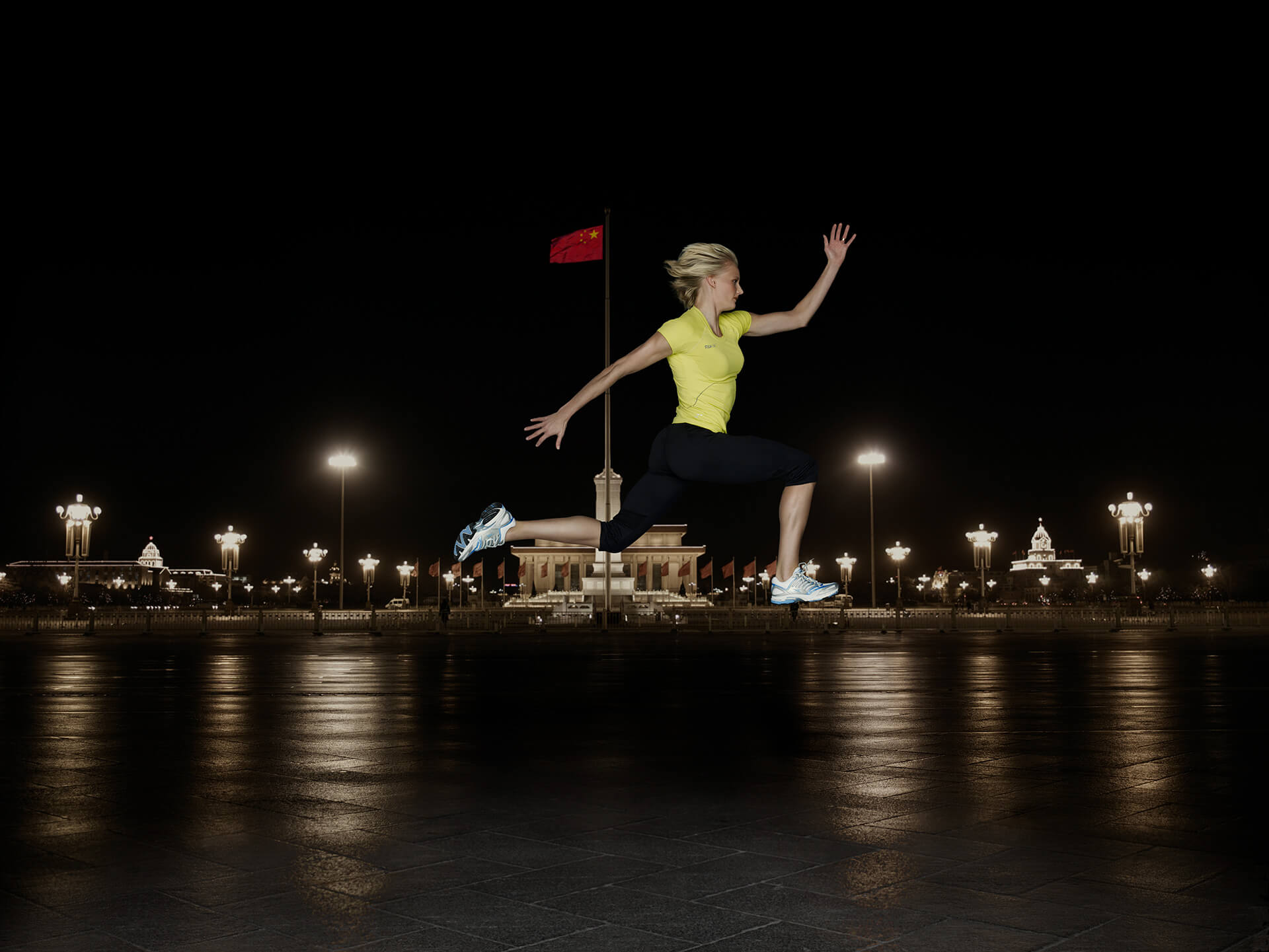
Reebok campaign. Photographer: Jason Bell
Can you describe your process for achieving the perfect retouch?
1. Image analysis.
Start by asking yourself a few key questions. What kind of image is it? What or who does it show? What was the photographer trying to express? Who is the audience? Who or what is the main subject?
2. Color grading.
Next, establish the color mood — ideally with client approval early on. Aligning with the client’s vision at the start saves a lot of time later.
3. Building the base & composition.
Once the direction is set, focus on shaping the visual hierarchy: what should stand out, what should fade back, and what should disappear entirely.
4. Technical corrections.
Then comes the technical cleanup — fixing imperfections, evening out tones, balancing the image.
5. Creative enhancements.
Add creative adjustments that elevate the image — but intentionally, and without overdoing it. If something doesn’t work, don’t hesitate to remove it.
6. Final polish.
Subtle local color corrections, perspective fixes, shape adjustments — the small touches that refine the final image while respecting the photographer’s vision.
7. Quality control.
Constantly check the image throughout the process. Without proper control, it’s easy to drift away from the intended effect — and that can invite criticism. Retouching is detail-oriented work, and precision matters at every stage.
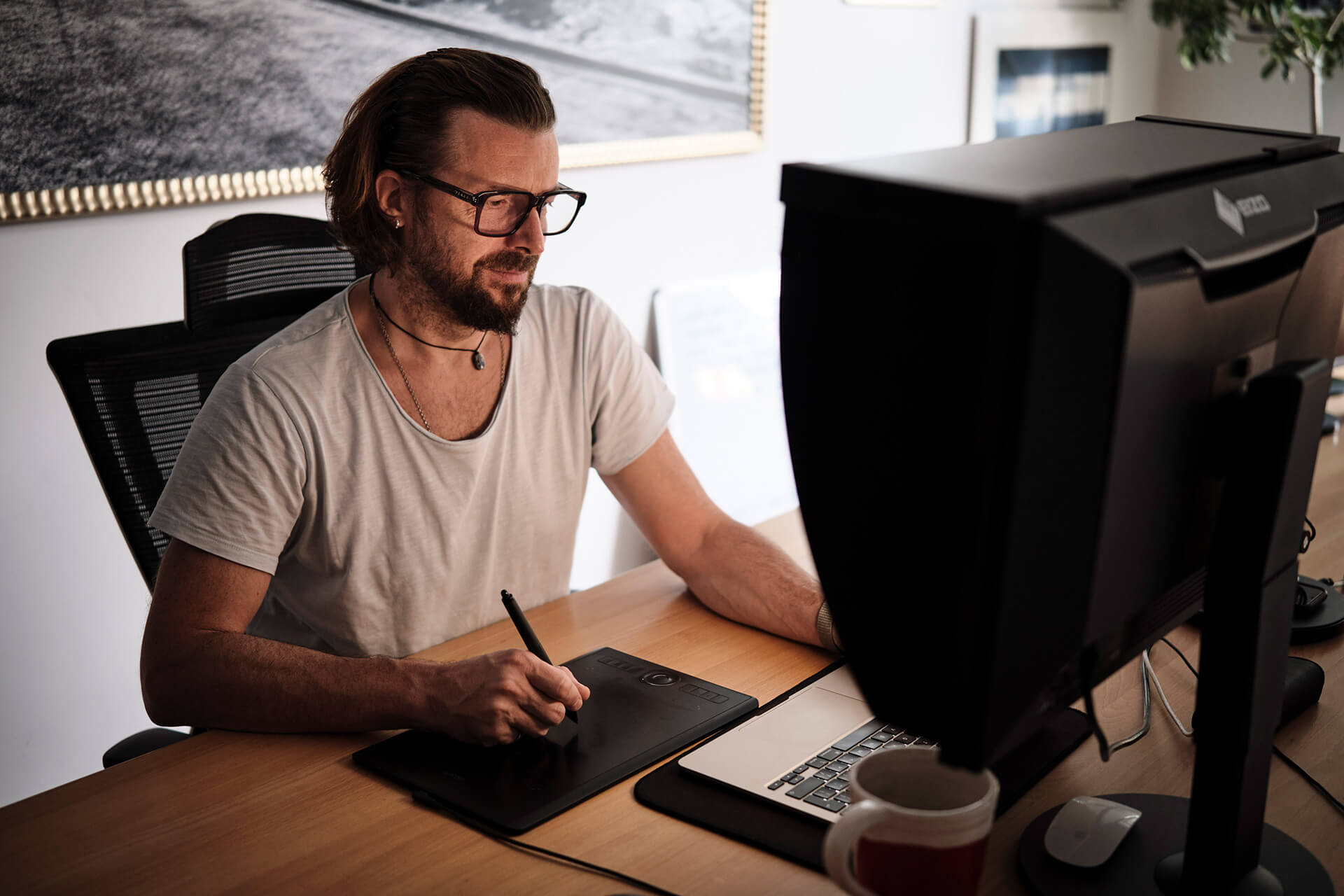
Krzysztof Gadomski, CEO of House of Retouching
What are the most common mistakes beginners make — and how can they avoid them?
Beginners often want an immediate “wow” effect. They look for quick tricks online, copy techniques, or rely on filters without understanding what they’re doing. It’s essentially working in the dark. They don’t truly learn anything, and they can’t recreate the effect on other images.
Another common mistake is focusing too much on a single area — often the face — while ignoring the rest. The skin looks perfect, but the hands are wrinkled, the hair messy, the clothes creased… all those inconsistencies ruin the overall impression.
You have to care for the entire image. Take your time. Work gradually. Consistency is what makes the work professional — not flashy tricks.
See also:

